Theology & Dogma

Cyril, ቄርሎስ, Qērellos
This theological work, entitled ‘Cyril’ (ቄርሎስ Qērellos) in the Ethiopian tradition, consists of a standard set of writings by Cyril of Alexandria and his contemporary ecclesiastical counterparts including Theodotus of Ancyra, Severus of Synnada, Acacius of Melitene, Juvenal of Jerusalem, Rheginus of Constantina, Eusebius of Heraclea Pontica, Firmus of Caesarea, John of Antioch, Epiphanius of Salamis, Proclus of Cyzicus, Severian of Gabala, and Gregory of Neocaesarea. The work was translated from Greek in the mid-first millennium, and offers a unique witness to a number of otherwise lost patristic works. Based on a note on a front flyleaf, it is most likely that this particular manuscript came from Egypt, perhaps originally belonging to an Ethiopian monk resident at one of the monasteries there.

K'alä Haymanot and A'madä Məst'ir
A codex containing K'alä Haymanot and A'madä Məst'ir. The work is in Amharic with introductory formulae in Ge'ez
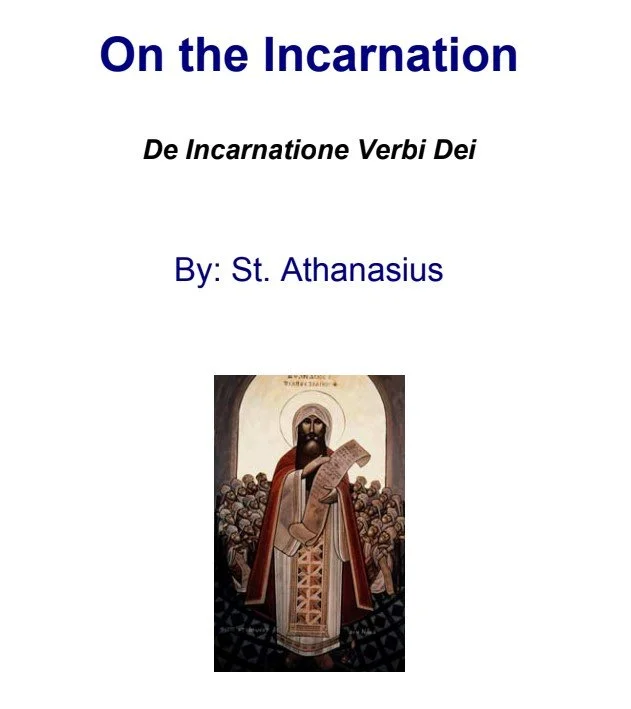
On the Incarnation
On the Incarnation by St. Athanasius defends the biblical doctrine of Christ and addresses the reasons for the Word of God becoming man. The document argues that man's corruption and inevitable return to non-existence, due to the fall, necessitated the Word's intervention, as repentance alone was insufficient to recall men to incorruption. The Word took a human body to offer it to death on behalf of all, thereby fulfilling the law of death and making a new beginning of life through the resurrection. Athanasius refutes the objections of both Jews and Gentiles by citing Scripture and appealing to the manifest works and power of Christ, such as the cessation of idolatry and oracles, and the fearless attitude of Christians toward death. The Word's bodily presence and works revealed the Father and were the only way to renew mankind and abolish death's power. Ultimately, the text asserts that the ongoing mighty works of the Savior, including the destruction of idolatry and the routing of evil spirits, prove His resurrection and Godhead.
The Seven Words of Lord on Cross
"The Seven Words of Our Lord on the Cross" by H. H. Pope Shenouda III, examines the seven pronouncements made by Jesus Christ during His crucifixion, emphasizing their profound significance for humanity's salvation. The first word, "Father, forgive them for they do not know what they do," demonstrates Christ's immediate concern for His persecutors and teaches believers how to love and forgive their enemies. The second word, "Today you will be with Me in Paradise," spoken to the penitent thief, confirms the immediate nature of salvation for the faithful upon death, refuting the concept of purgatory. Subsequent words address social care, divine justice, physical suffering, and the ultimate accomplishment of redemption, culminating in a cry of triumph. The work encourages readers to apply the insights gained from these seven words, such as forgiveness and penitence, to their own lives to partake in Christ's benevolence.
The Divinity of Christ
In this seminal theological work, H.H. Pope Shenouda III presents a systematic defense of the deity of Jesus Christ, aimed at countering Arian-like heresies and equipping believers with scriptural proofs. The book methodically categorizes Biblical evidence to demonstrate that Christ possesses attributes exclusive to God, such as eternity, omniscience, omnipresence, and the authority to forgive sins. Pope Shenouda specifically addresses controversial passages where Christ appears subordinate to the Father, explaining them through the theological framework of the Incarnation and the voluntary "emptying" (kenosis) of His glory, rather than a lack of divine nature. He argues that the specific titles used for Jesus, along with His miracles and His own direct testimony, undeniably confirm that He is the Incarnate Word and of one essence with the Father. Ultimately, the text serves as an essential apologetic handbook for the Coptic and broader Oriental Orthodox communion to articulate the cornerstone of their faith.